

Local businesses are the heart of a neighborhood: they know their customers, speak the local language, and continue with passion every day – even when the conditions are difficult. Getting visibility is one of the biggest challenges. Large brands dominate the advertising space, while small businesses with limited budgets struggle to be noticed at all.
The good news is that successful marketing does not depend solely on who advertises the loudest, but on who is present where people live, shop, eat, meet, and trust each other. Ethnomarketing reaches people in their everyday lives and connects companies directly with their community. And that can turn a small brand into a strong voice in its own neighborhood.
Why classic advertising often doesn’t help local businesses advance
Many local businesses invest in classic advertising formats such as flyers, advertisements, and perhaps even a poster. However, the hoped-for effect often fails to materialize. This is usually less due to a poor offer, but rather to the fact that the message passes by the people it is actually supposed to reach. Standard advertising spaces appeal to a broad mass, but not to the groups who live in the neighborhood and could be in the store every day.
In addition, large chains have huge budgets. They place online ads, TV spots, or city light posters in all districts and thus drown out the voices of those who actually shape the neighborhood.
Placing advertising where everyday life is lived: proximity as a real competitive advantage
Many small hairdressers or gastronomic businesses believe that visibility is created in high-gloss locations because the large mass sees their advertising messages there. However, this is often a fallacy, because a quantitative orientation of advertising also creates many scatter losses.
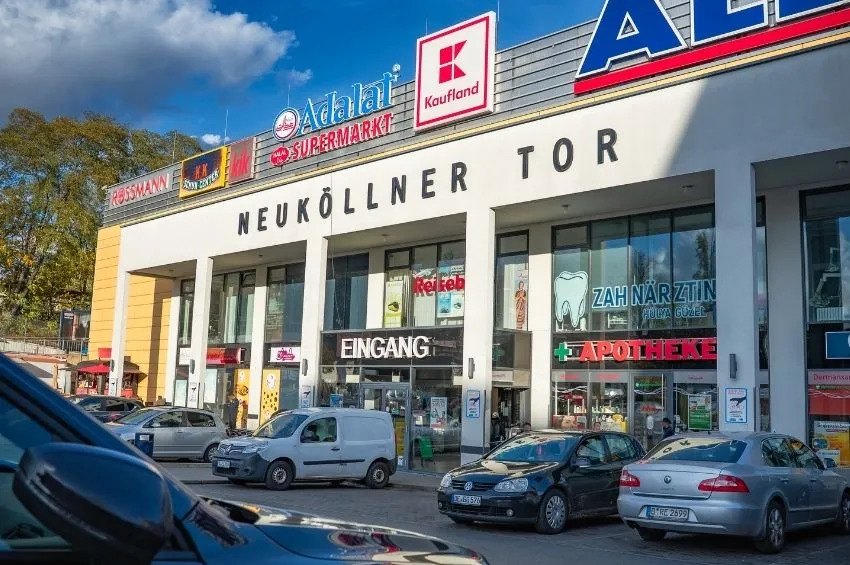
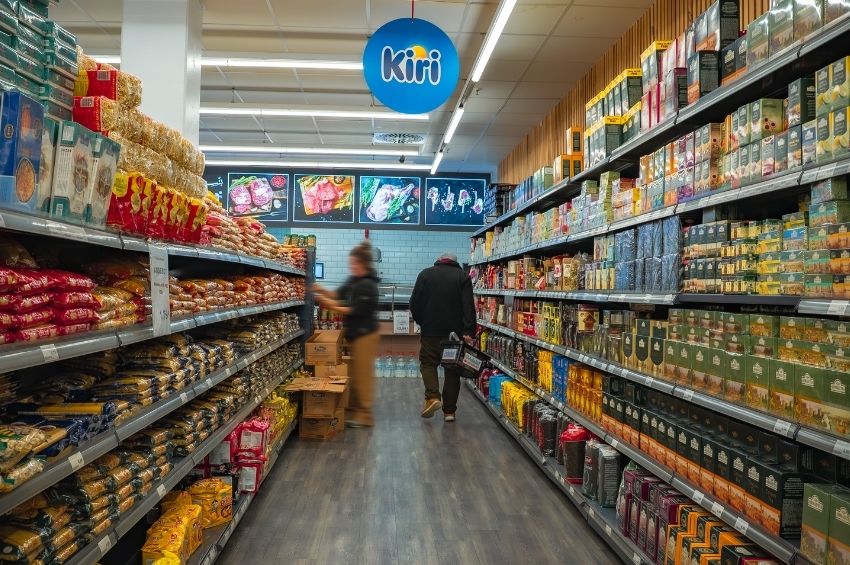
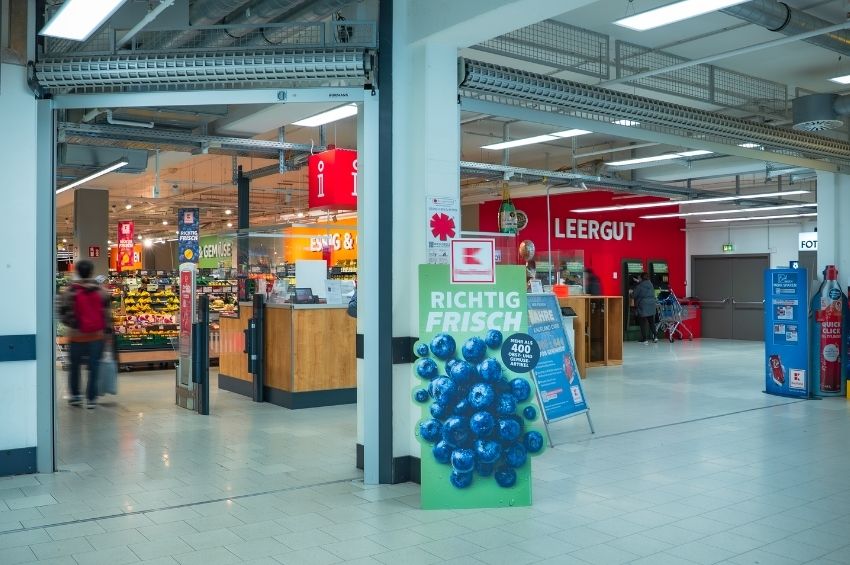
It makes much more sense to place advertising where your potential customers move every day. In supermarkets where they shop with their families. In barbershops where people talk to each other. In mosques and cultural associations where community is lived. These places are familiar to them – people are therefore much more open to messages that are expressed here.
Anyone who is present with their marketing message at such meeting points is automatically perceived as part of the neighborhood. The message does not seem like advertising “from the outside”, but like an offer from within the community. This changes everything: attention increases, recognition rises, and purchase decisions are made closer to the place where they can be implemented.
Proximity is not a nice-to-have for local brands, but a real competitive advantage.
How local businesses really grow with ethnomarketing
Probably the most important difference to classic marketing: ethnomarketing does not look at numbers, but at people. It recognizes that many customers in Germany have cultural roots that shape their everyday lives. These determine which supermarkets they visit, which cafés they like, which language they speak, which places they trust. These habits determine where they stay and which brands they perceive.
While classic advertising likes to try to reach all people at the same time, ethnomarketing focuses on cultural proximity. The messages are placed where the community feels at home: while shopping, praying, getting a haircut, having coffee with friends. Language, images, and tonality are designed in such a way that people feel addressed and not just addressed. Advertising that respects cultural identity and understands it seems relevant. And trust is the basis of every purchase decision.

What does this bring specifically to small businesses?
Local businesses in particular benefit enormously when they become visible where their customers really live. Ethnomarketing supports them on several levels:
- Visibility exactly in your own target group
Instead of advertising past the masses, the message is placed in the middle of the community’s everyday life. - Higher credibility through cultural proximity
Anyone who is present in a familiar environment automatically seems more relevant and likeable. - Recommendations within the community
When people know each other, they talk about good offers and a recommendation is the strongest form of advertising. - Competitive advantage over chains
Even small companies can make a big impact without a huge marketing budget.
Anyone who is perceived in the neighborhood gains customers from the direct environment without wastage.
How ethnomarketing works specifically for local businesses
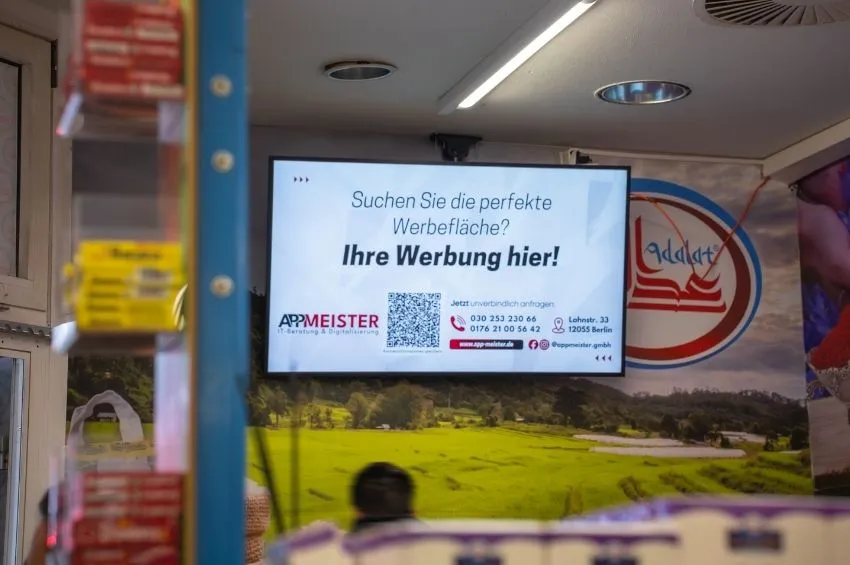
The advertising messages are played via digital screens that are hung up at community spots. This allows the content to be played out very flexibly and changed at any time. It is even possible to link the playout of certain content to times of day. For example, it makes sense to play out lunch offers at lunchtime or deals in the supermarket at the weekend, when working people primarily shop. Even with a single display, a small business can become visibly large in the neighborhood without the need for large advertising campaigns.
How is ethnomarketing specifically implemented for local businesses?
If you want to reach local target groups, you need a partner who knows the right locations, provides the technology, and takes over the playout. Pano TV specializes in placing displays in community locations and centrally controlling the advertising content.
The implementation works in a few steps:
- Find the right location
Together, we analyze where the desired target group is on the move. - Define or create advertising content
Images, short videos, or action instructions are provided by Pano TV. On request, the design can also be taken over. - Digital playout of the campaign
The advertising is controlled centrally and played out on already installed displays – without any technical effort in the store. - Update content flexibly
Short-term offers or new messages can be changed at any time. There are no printing costs and no long lead times.
An additional advantage: The locations themselves can also play out their own content on the displays. For example, they can place daily offers or service information for their customers there. In this way, ethnomarketing not only supports the brands that advertise, but it also strengthens the companies in which the displays hang.
If you would like to become a partner location, you can contact Pano TV directly.