

People rarely buy something new after seeing an advertisement for it only once. Much more often, trust is built through repetition. Brands, logos, or offers that people encounter regularly automatically feel more familiar and therefore more credible. This psychological mechanism is known as the mere-exposure effect. Today, it plays a central role in modern advertising.
What exactly is the mere-exposure effect?
The mere-exposure effect describes a psychological phenomenon in which people evaluate things more positively the more often they encounter them. This applies not only to people or music, but also to brands, logos, and advertising messages. Repeated perception alone makes the content feel more familiar. As a result, potential customers can build trust more easily.
This is why repetition plays such an important role in marketing. Advertising does not always have to be actively read or consciously analyzed in order to have an effect. In many cases, it is already enough for people to see a brand regularly in their everyday lives. Through these unconscious visual contacts, the advertising is easier to remember and feels more familiar in the long term than a one-time advertising message.
How exactly can this effect influence perception?
The mere-exposure effect influences perception primarily by the brain can process familiar content more quickly than unfamiliar content. Brands or messages seen repeatedly seem much more familiar. They also trigger less skepticism. People automatically perceive familiar content as more pleasant, likable, or credible, even though they aren’t actively engaging with this information.
Through this mechanism, regular face-to-face contact alter, in the long term, the perception of a brand. Companies appear more visible and thereby establish themselves in the daily lives of their target audience. This is precisely why even brief but recurring advertising exposures can significantly influence subsequent purchasing decisions.
| Theory of Cognitive Dissonance The mere-exposure effect is also connected to what is known as cognitive dissonance. People prefer things that seem familiar to them because familiar content creates less uncertainty. In a world where people are confronted with information and stimuli around the clock, the brain constantly looks for orientation and simple “anchors.” Repeatedly seen brands or messages therefore automatically appear safer, more familiar, and more credible than completely unknown content. |
Advertising companies need to be aware of these drawbacks
Unfortunately, the mere-exposure effect also works the other way around and can reinforce negative perceptions. Repeated exposure can intensify negative reactions if the advertisement is perceived as disruptive, intrusive, or inappropriate. If content is shown too frequently or advertising messages are too aggressive, people become annoyed and are more likely to reject the brand.
Tip: That’s exactly why context is so important. Advertising should blend into its surroundings as naturally as possible and not constantly demand attention. There’s often a fine line between pleasant recognition and excessive, constant presence.
How can modern advertising take advantage of the mere-exposure effect?
Modern advertising today is no longer just about reaching as many people as possible at the same time. It has become much more important to maintain a regular presence and to appear as naturally as possible in the target audience’s everyday life. The mere-exposure effect simply means that people encounter a brand not just once, but repeatedly.
This recurring presence in everyday life makes brands seem more familiar and easier to remember.
The most important thing to keep in mind is:
- Advertising in Relevant Everyday Situations
- integration into the surroundings that is as natural as possible
- Consistent messaging and recognizable design
- Long-term presence rather than short-term sensory overload

How Local Businesses Use the Mere Exposure Effect for Community Advertising
Especially local businesses benefit particularly from repeated visual encounters in the daily lives of their target audiences. Restaurants, cell phone providers, doctors, insurance companies, and local service providers are noticed much more frequently when people encounter them regularly in familiar surroundings. This is precisely why ethno-marketing is playing an increasingly important role for many companies today.
Ethnic marketing is about targeting people within their specific cultural and social contexts. Advertisements appear exactly where communities go about their daily lives—primarily in supermarkets, cafés, barbershops, cultural associations, and mosques. This cultural proximity creates a strong sense of recognition and, as a result, builds trust in the advertised brand.
How does display advertising with PanoTV leverage the mere-exposure effect?
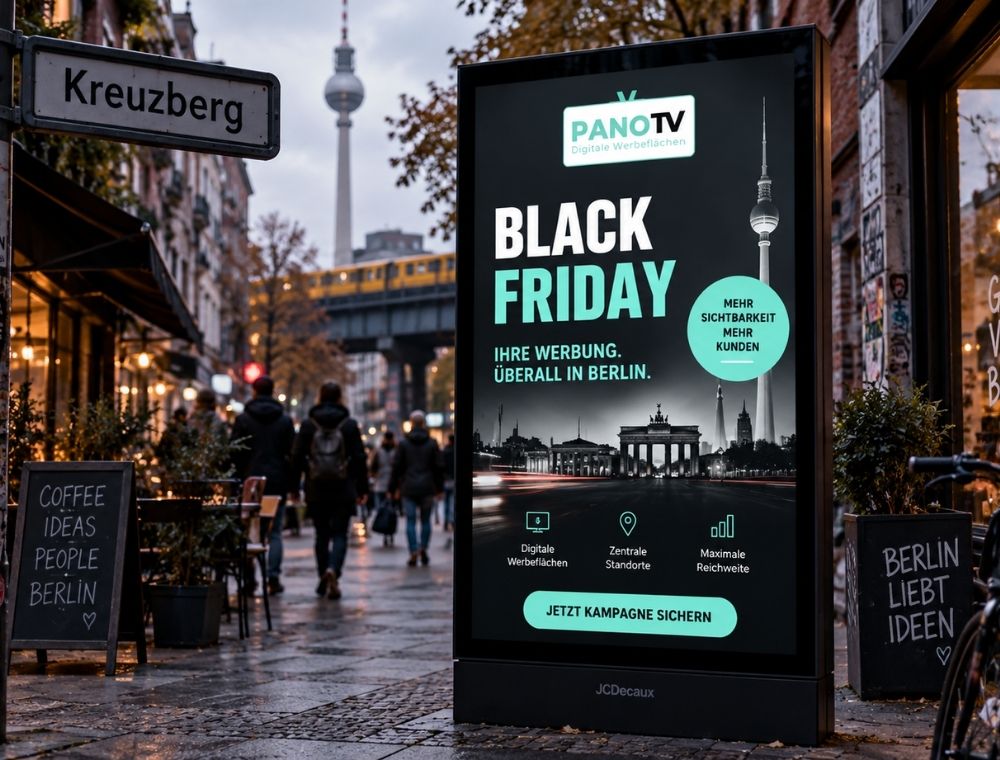
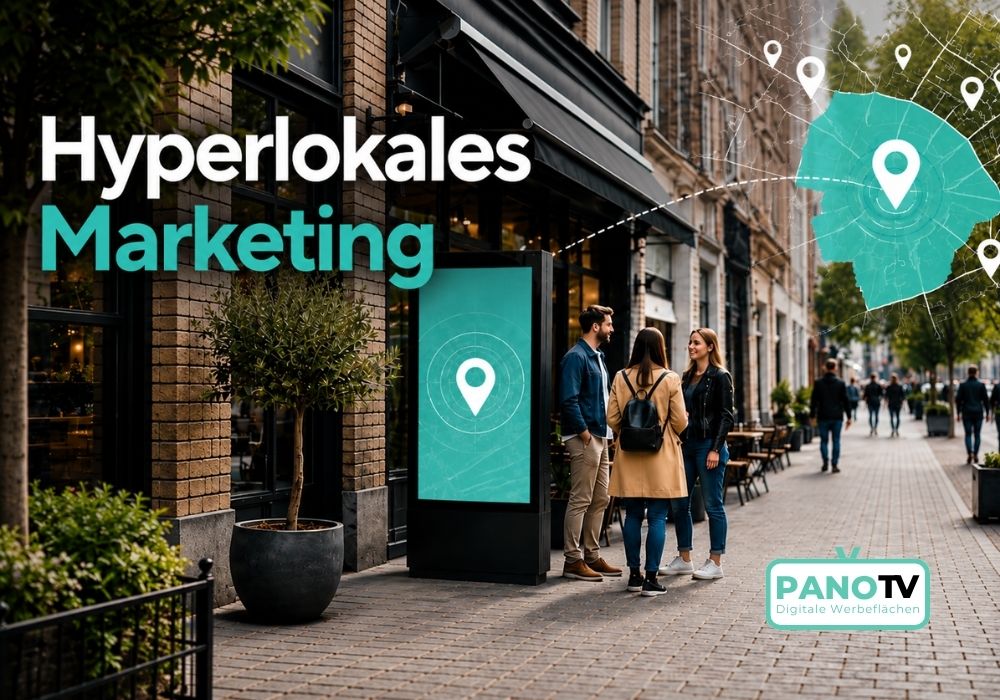
PanoTV is making a name for itself with strategically placed advertising displays to capitalize on precisely this effect. The digital advertising network places modern advertising displays at locations such as mosques, cafés, and other community spaces that see high foot traffic. This allows companies to reach people of Turkish, Arab, or Kurdish descent directly in their familiar surroundings, where they spend time with people they know well.
The content is displayed on digital screensthat are centrally controlled and can be updated flexibly. As a result, visitors regularly encounter the same brands or messages while shopping, waiting, eating, or meeting with friends. This recurring visibility provides lasting support for the mere-exposure effect.
For the partner locations , the concept offers an additional benefit: The screens are installed free of charge and automatically display the clients’ commercials. In return, the locations receive a share of the advertising revenue without having to worry about the technology or content themselves. Companies, in turn, can place their ads precisely where their target audiences regularly spend time, without the wasted reach associated with traditional advertising.
Advertisers can easily contact us online get in touch.
Conclusion: Why Repeated Visual Contact Actually Influences Purchasing Decisions
The mere-exposure effect shows that successful advertising does not result from a single exposure. Instead, regular recognition in everyday life is key. People are more likely to trust brands when they encounter them repeatedly in familiar settings. This is precisely why forms of advertising that create long-term visibility in a suitable location—where the target audience enjoys spending time—work particularly well. Digital display advertising in community spaces can leverage this effect very effectively without being intrusive.